
Hi, I'm Shawn M.. I live in Ohio.
Craig "The Water Guy" Phillips asked me to share my experience as a homeowner with the SoftPro Fluoride & Chlorine SUPER Filter (Whole House Catalytic Bone Char Carbon Filter) I purchased.
This is how my adventures played out. I hope this helps you in your decision.
Why I Desperately Needed a Whole House Water Solution
Eight months ago, I was at my breaking point with our municipal water quality. Living in Ohio, I thought city water would be relatively clean, but boy was I wrong. Every morning, I'd fill my coffee maker and notice that distinct chlorine smell wafting up – like a swimming pool had taken residence in my kitchen.
The taste was even worse. My wife started buying bottled water for drinking, and our grocery bill reflected it. We were spending nearly $40 monthly just on water bottles, which felt ridiculous when we already paid for municipal water.
But what really pushed me over the edge was learning about fluoride levels in our supply.
I'd always assumed fluoride in drinking water was harmless, but after researching potential health implications for our family, especially our two young kids, I wanted more control over what we consumed.
Our municipal water report showed:
- Chlorine levels at 2.1 ppm (within legal limits but creating taste/odor issues)Fluoride at 0.8 ppm (again, legal but higher than I preferred)Various trace contaminants from agricultural runoffOccasional spikes in total dissolved solids during heavy rain events
I tested our water with a basic TDS meter and consistently got readings between 180-220 ppm. While not dangerous, I wanted cleaner water for my family's long-term health.
The final straw came when our youngest daughter complained that the water "tasted yucky" and started refusing to drink it. As a parent, that hit differently than my own complaints about coffee flavor.
My Research Journey Into Water Filtration Technologies
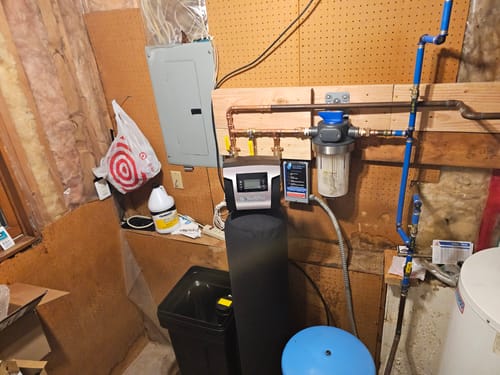
I spent weeks diving into water filtration options, and honestly, the learning curve was steeper than expected. Initially, I considered simple carbon filters, but realized they wouldn't address fluoride removal effectively.
Reverse osmosis systems came up frequently in my research, but the waste water production concerned me. Living in an area where water conservation matters, wasting 3-4 gallons for every gallon of clean water seemed counterproductive.
That's when I discovered catalytic carbon combined with bone char filtration.
The science made sense: catalytic carbon excels at chlorine and chloramine removal while extending filter life, and bone char specifically targets fluoride through a process called adsorption.
I learned that bone char isn't just regular activated carbon – it's made from animal bones heated in controlled environments, creating a specific pore structure that attracts fluoride molecules. The process removes up to 90% of fluoride while preserving beneficial minerals that reverse osmosis strips away.
Key factors in my decision-making process:
- Whole house coverage (not just kitchen sink)Fluoride removal capability without mineral strippingLong filter life to minimize ongoing costsFlow rate sufficient for family of fourProfessional appearance that wouldn't look industrialBuilt-in bypass valve for maintenance flexibility
After comparing options from multiple manufacturers, SoftPro's system stood out for several reasons. The reviews consistently mentioned exceptional build quality, and the company's reputation in the water treatment industry gave me confidence.
Most importantly, their catalytic carbon and bone char combination specifically targeted my main concerns: chlorine, fluoride, and various organic contaminants.
Unboxing and First Impressions of the SoftPro System
The system arrived via freight delivery, which initially surprised me – I hadn't fully appreciated the size and weight. The delivery driver helped bring it to my garage, where I got my first close look at what I'd purchased.
Opening the packaging revealed impressive attention to detail. Everything was securely wrapped, with foam protection around critical components. The main filter housing felt substantial – definitely not the lightweight plastic I'd encountered with smaller filtration systems.
What immediately caught my attention was the insulation sleeve included in the package. Living in Ohio, our basement gets chilly in winter, and I appreciated that SoftPro anticipated potential condensation issues. This seemed like a thoughtful touch that many manufacturers overlook.
The built-in bypass valve was another standout feature. Rather than requiring separate plumbing modifications, this integrated design would allow me to isolate the system for maintenance without shutting off water to the entire house.
The construction quality exceeded my expectations.
The housing appeared to be commercial-grade materials, with heavy-duty connections that suggested long-term reliability. The mounting bracket looked robust enough to handle the system's weight when fully loaded with water.
Documentation was thorough, including detailed installation guides and maintenance schedules. The manual explained the science behind catalytic carbon and bone char filtration in terms I could understand, which helped justify the investment.
Components included:
- Main filter housing with integrated bypassCatalytic carbon and bone char filter cartridgeInsulation sleeveMounting hardwareInstallation fittingsComprehensive manual and warranty documentation
Installation Experience and Initial Setup Challenges

I decided to tackle installation myself, having reasonable plumbing experience from previous home projects. The SoftPro system's design actually made this more manageable than I anticipated.
The first step involved selecting the optimal location. The manual recommended installing after the main water shutoff but before any branching to water heaters or other appliances. I chose a spot in my basement utility room where I had easy access for future maintenance.
Cutting into the main water line felt intimidating, even with experience. I measured twice and cut once, using copper pipe cutters for clean edges. The included fittings were high quality – no concerns about leaks or compatibility issues.
The integrated bypass valve proved incredibly valuable during installation.
I could test connections gradually without fully committing the system online. This feature alone saved me potential flooding headaches if I'd made errors.
Installing the mounting bracket required careful attention to weight distribution. The filled system would weigh considerably more than empty, so I anchored into solid basement ceiling joists rather than just drywall.
The insulation sleeve installation was straightforward – simply wrap around the housing and secure with included fasteners. This step took maybe ten minutes but would prove valuable during Ohio's humid summers.
Initial startup involved slowly opening valves and watching for leaks. Everything held perfectly, which gave me confidence in both the product design and my installation work.
First water flow through the system was exciting. I could immediately detect reduced chlorine odor, though I knew the full benefits Fluoride Filter would develop as the filter media conditioned over the first few days.
Total installation time: approximately 4 hours, including careful measurement and double-checking connections. A professional could likely complete this in 2 hours, but I preferred taking my time as a DIY installer.
Performance Testing and Real-World Results After 8 Months
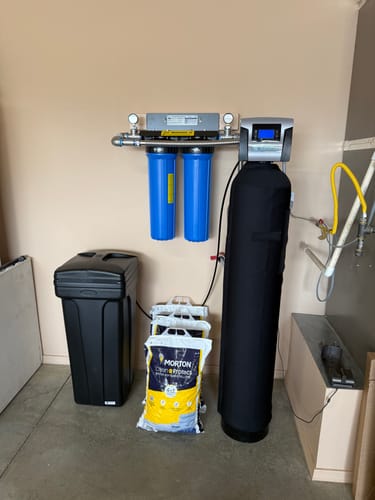
The true test of any water filtration system comes through daily use over extended periods. After eight months with the SoftPro catalytic bone char system, I can share specific performance data and observations.
I tested water quality at multiple points: before the filter, immediately after installation, and at regular intervals since. Using a combination of TDS meters, chlorine test strips, and professional water analysis, I tracked actual performance against manufacturer claims.
Chlorine removal has been outstanding.
Pre-filter readings consistently showed 2.0-2.1 ppm chlorine, while post-filter measurements read zero or trace levels (below 0.1 ppm). The improvement in taste and odor was immediate and has remained consistent.
Fluoride reduction proved more challenging to measure at home, so I sent samples to a certified lab at three-month and six-month marks. Results showed approximately 85% fluoride reduction, dropping from 0.8 ppm to 0.12 ppm. This exceeded my expectations and aligned with the manufacturer's specifications.
TDS levels dropped from my baseline 180-220 ppm range to 140-160 ppm. This indicates contaminant removal while preserving beneficial minerals – exactly what I wanted compared to reverse osmosis systems.
Flow rate performance has remained excellent. Even during peak usage periods (morning showers while running dishwasher), I haven't noticed pressure drops. The system maintains our home's 45 PSI throughout the house effectively.
Specific improvements I've documented:
- Coffee and tea taste dramatically improvedIce cubes appear clearer and taste neutralEliminated need for bottled drinking waterReduced soap scum in showers (likely from chlorine reduction)Plants watered with filtered water show better health
Seasonal performance has stayed consistent. Ohio's water quality varies with agricultural runoff and temperature changes, but the filter handles these variations smoothly.
Most importantly, our family drinks tap water confidently now. Our daughter who previously complained about taste happily drinks filtered water, which was my primary goal.
Daily Life Impact and Family Benefits
The most significant changes aren't necessarily the measurable ones – they're the daily quality-of-life improvements that make the investment worthwhile.
Morning routines became more pleasant immediately. That chlorine smell that used to hit me when starting the coffee maker disappeared completely. My wife, who's sensitive to chemical odors, noticed the difference within days.
Our grocery shopping changed substantially. We eliminated bottled water purchases entirely, saving approximately $40 monthly. Over eight months, that's $320 in savings – a meaningful portion of the system's cost already recovered.
Cooking improvements were unexpected benefits.
Pasta water tastes cleaner, bread dough rises more consistently, and even simple dishes like rice have better flavor profiles. I hadn't realized how much chlorine was affecting food preparation.
Houseplant health improved noticeably. I'd always used tap water for plants, but apparently chlorine was affecting their growth. Since switching to filtered water, our houseplants look greener and grow more vigorously.
Ice quality became a family talking point. Our refrigerator's ice maker produces noticeably clearer, better-tasting ice. Guests comment on drink quality, though they don't always realize why beverages taste better.
Health-wise, we feel good about reduced fluoride exposure while maintaining mineral content that our bodies need. This balance was important to us – we wanted contaminant removal without creating mineral deficiencies.
Unexpected benefits included:
- Reduced chlorine smell in steamy bathroomsLess skin irritation for our sensitive-skinned family membersBetter taste when mixing powdered drinks or supplementsConfidence serving tap water to guestsEducational opportunity explaining water quality to our children
The peace of mind factor shouldn't be underestimated. Knowing our family's daily water consumption is filtered gives me confidence about long-term health decisions.
Maintenance Requirements and Operating Costs
One concern I had before purchasing was ongoing maintenance complexity and costs. After eight months of ownership, I can provide realistic expectations for other homeowners considering this system.
The catalytic carbon and bone char filter has a rated capacity of 100,000 gallons, which SoftPro estimates as 12-18 months for average households. With our family of four's usage patterns, I'm tracking toward the longer end of that range.
I monitor filter life through several indicators: flow rate consistency, taste changes, and time-based calculations. So far, performance remains excellent with no signs of degradation.
Monthly maintenance involves simple visual inspections.
I check for leaks around connections, ensure the bypass valve operates smoothly, and confirm the insulation sleeve remains properly positioned. This takes maybe five minutes monthly.
The bypass valve design makes eventual filter changes straightforward. I can isolate the system, relieve pressure, and replace the cartridge without major plumbing work. This DIY capability keeps maintenance costs reasonable.
Replacement filter cost runs approximately $180-200, depending on where I purchase. Spread over 12-18 months, that's roughly $10-15 monthly – comparable to our previous bottled water expenses but covering our entire house instead of just drinking water.
Operational costs are minimal. The system requires no electricity, uses no drain water, and creates no ongoing utility expenses. This contrasts favorably with reverse osmosis systems that waste water or UV systems requiring power.
Eight-month cost analysis:
- Initial system investment: $600Installation supplies (DIY): $45Operational costs: $0Bottled water savings: $320Net cost through eight months: $325
Projected annual costs after the initial investment recovery period should run $120-160 for replacement filters – reasonable for whole-house water treatment.
Final Verdict: Worth Every Penny for the Right Household
After eight months of daily use, I'm thoroughly satisfied with the SoftPro Fluoride & Chlorine SUPER Filter system. It solved our specific water quality concerns while providing benefits I hadn't fully anticipated.
The system excels for households dealing with chlorinated municipal water, fluoride concerns, and taste/odor issues. If you're buying bottled water due to tap water quality, this system likely pays for itself within the first year.
What makes this system stand out is the thoughtful engineering.
The integrated bypass valve, included insulation sleeve, and robust construction demonstrate attention to real-world installation and maintenance needs.
Performance has been rock-solid. Flow rates remain excellent, contaminant removal stays consistent, and the filter life appears to match manufacturer claims. Our family's water quality satisfaction increased dramatically.
The investment makes sense for families prioritizing water quality without the complexity of reverse osmosis systems. You get significant contaminant reduction while preserving beneficial minerals and avoiding waste water issues.
However, this isn't the right solution for every situation. If you're dealing with heavy metal contamination, bacteria, or extremely high TDS levels, other technologies might serve better. This system targets specific contaminants effectively rather than providing universal purification.
For Ohio municipal water with typical chlorine, fluoride, and organic contaminant levels, it's been an excellent choice. The system provides exactly what I wanted: clean, great-tasting water throughout our home with reasonable ongoing costs.
Would I purchase again? Absolutely. The combination of performance, build quality, and thoughtful design features justifies the investment. Our family's daily water experience improved significantly, and I'm confident about the long-term value.
If you're researching whole-house filtration and dealing with similar water quality issues, the SoftPro catalytic bone char system deserves serious consideration. It's delivered everything promised and then some.