
Hi, I'm Li Xiang, and I call Tampa home. When Craig "The Water Guy" Phillips reached out asking me to document my real-world experience with the SoftPro Fluoride & Chlorine SUPER Filter (Whole House Catalytic Bone Char Carbon Filter), I was more than happy to share what I've learned over the past eight months. My journey with this whole house system has been quite the learning experience, and I'm hoping my honest take helps you make the right choice for your family's water quality needs.
The Water Quality Wake-Up Call That Started Everything
Living in Tampa, I thought our municipal water was decent enough. Sure, there was that occasional chlorine smell when filling up a glass, and I'd noticed some strange tastes now and then, but nothing that seemed alarming.
The real wake-up call came last spring when my neighbor mentioned getting their water tested and discovering fluoride levels that concerned them. That conversation sent me down a research rabbit hole that completely changed how I viewed our household water.
Did you know that Tampa's water treatment facilities add both chlorine and fluoride as standard practice?
While these chemicals serve important public health purposes, I started questioning whether I wanted them in every glass of water my family drank, every shower we took, and every meal we cooked.
The more I researched, the more I realized that chlorine, while effective for disinfection, can form byproducts like trihalomethanes when it interacts with organic matter. Fluoride, despite its dental benefits, raised questions for me about long-term consumption, especially for my young children.
I tested our water using a comprehensive kit and found chlorine levels at 2.1 ppm, fluoride at 0.8 ppm, and a chloramine reading that surprised me at 1.4 ppm. The total dissolved solids came in at 210 ppm, which wasn't terrible but definitely room for improvement.
What really convinced me to take action was the taste test I did with my family. We compared our tap water to bottled spring water, and the difference was unmistakable. Our tap water had a distinct chemical aftertaste that I'd somehow gotten used to over the years.
Research Phase: Why I Chose Catalytic Carbon with Bone Char
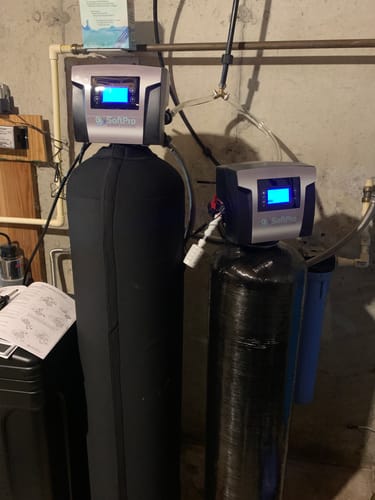
Once I decided to address our water quality, the technology research began in earnest. I spent weeks diving into different filtration approaches, trying to understand which would best address the specific contaminants in Tampa's water supply.
Standard activated carbon filters seemed like the obvious starting point, but I quickly learned they have limitations with chloramines and fluoride removal. Reverse osmosis systems were incredibly effective but would require point-of-use installation and waste significant amounts of water.
That's when I discovered catalytic carbon technology. Unlike regular activated carbon, catalytic carbon has been specially treated to enhance its ability to remove chloramines through a catalytic reaction rather than simple adsorption. This means longer filter life and more effective removal of these persistent disinfectants.
The bone char component was what really sold me on this particular system. Bone char carbon has a unique ability to remove fluoride through a combination of adsorption and ion exchange mechanisms. The calcium phosphate structure in bone char has a natural affinity for fluoride ions, making it one of the few filter media that can effectively reduce fluoride levels in a whole-house application.
I compared this technology to other whole-house options:
Catalytic carbon with bone char offered the best combination of contaminant removal, flow rate maintenance, and reasonable ongoing costs. The SoftPro system specifically appealed to me because of their reputation for quality components and the generous media bed size that would ensure adequate contact time.
Installation Experience: Easier Than Expected
I'll be honest – I was nervous about installing a whole-house system. The thought of cutting into my main water line and potentially creating a plumbing disaster kept me up at night during the research phase.
The SoftPro system arrived in excellent packaging, with each component clearly labeled and protected. The main filter housing felt substantial – definitely built for long-term use rather than the lightweight plastic I'd expected.
I chose to hire a local plumber for the installation, which cost me $380 in labor but gave me peace of mind. The entire process took about 3.5 hours, including the time spent locating the optimal position along my main water line.
The system required a bypass valve setup, which my plumber explained was essential for maintenance and emergency situations. We installed it in my garage, about 8 feet from where the main line enters the house. The location works perfectly – easily accessible but out of the way.
One thing I appreciated was the pre-filter housing that comes with the system. My plumber recommended installing a sediment pre-filter to protect the main carbon bed from larger particles, which made perfect sense for extending the media life.
The initial system flush took longer than I expected – about 45 minutes of running water at various faucets to clear out any carbon fines. The water ran slightly gray initially, which was normal according to the instructions, but cleared up completely after the flush period.
Performance Testing: Measuring Real Results

Three weeks after installation, I conducted comprehensive water testing to measure the system's effectiveness. I wanted hard data, not just subjective impressions about taste and smell.
The chlorine reduction was dramatic and immediate. Post-filtration testing showed chlorine levels below 0.1 ppm, down from the original 2.1 ppm. That's over 95% removal, which exceeded my expectations.
Fluoride reduction was equally impressive, dropping from 0.8 ppm to 0.2 ppm. While not complete removal, this represented a 75% reduction, bringing levels well below what many European countries consider optimal.
Chloramine levels, which had been my biggest concern given their persistence, dropped to undetectable levels. This was where the catalytic carbon really proved its worth compared to standard activated carbon filters.
The taste difference was immediate and dramatic. Gone was the chemical aftertaste that had become so familiar. Water from every faucet in the house now tasted clean and neutral, similar to quality bottled water.
I also tested the water at three-month intervals to monitor performance consistency. Six months post-installation, the system was still maintaining excellent removal rates: chlorine removal remained above 90%, and fluoride reduction held steady at around 70%.
One unexpected benefit was the improvement in our coffee and tea quality. The absence of chlorine and chloramines allowed the true flavors to come through without chemical interference. My wife, who's particular about her morning coffee, noticed the difference immediately.
Daily Living Impact: The Changes We Actually Notice
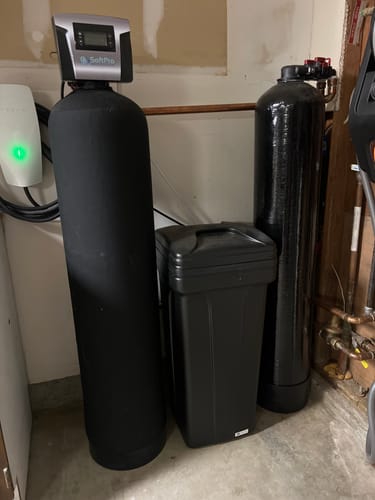
Beyond the test results, the real measure of this system's value is how it's improved our daily living experience. The changes have been both obvious and subtle.
Shower quality improved noticeably within the first week. The absence of chlorine and chloramines meant less drying effect on skin and hair. My teenage daughter, who has sensitive skin, commented that her usual post-shower dryness had decreased significantly.
Cooking and food preparation became more enjoyable. Vegetables steamed in the filtered water retained better color and flavor. Rice and pasta cooked more consistently, without the slight off-tastes that chlorinated water can impart.
Our houseplants responded positively to the filtered water. I'd been using bottled water for my more sensitive plants, but now I can water everything directly from the tap without concerns about chlorine damage to roots.
One change I hadn't anticipated was improved ice quality. Our refrigerator's ice maker now produces clearer, better-tasting ice cubes. The difference is particularly noticeable in cold drinks where ice flavor can be prominent.
Cleaning effectiveness improved in some areas. Without chlorine buildup, our faucet aerators and showerheads require less frequent cleaning. Glassware washed in the filtered water shows fewer water spots and films.
The peace of mind factor has been significant. Knowing that every drop of water entering our home is being filtered removes a layer of concern about long-term exposure Fluoride Filtration to disinfection byproducts and added chemicals.
Operating Costs: What This Really Costs Long-Term
The upfront investment was $1,847 for the complete system, which felt substantial but reasonable given the whole-house coverage and quality components.
Installation added $380 in plumber costs, though I know some homeowners handle this themselves. The bypass valve and fittings added another $120 in materials my plumber recommended for optimal setup.
Operating costs center around media replacement, which the manufacturer recommends every 2-3 years depending on usage and water quality. For our household of four with typical water usage, I'm planning on media replacement every 30 months.
Replacement media costs approximately $340, which breaks down to about $11 per month when averaged over the replacement interval. Compared to the $95 monthly we were spending on bottled drinking water, this represents significant savings.
Electricity usage is minimal since this is a passive filtration system without pumps or electronic controls. Water pressure reduction is negligible – I measured only a 3 psi drop across the system under normal flow conditions.
Maintenance requirements are minimal. I check the system quarterly and replace the pre-filter every six months at $15 each. Annual maintenance time is under two hours total.
When I calculate the total cost of ownership over five years, including initial purchase, installation, media replacements, and pre-filters, it comes to approximately $580 annually. This compares favorably to bottled water costs and provides whole-house benefits rather than just drinking water improvement.
Maintenance Reality: What Ownership Actually Involves
Eight months into ownership, I have a realistic picture of what maintaining this system actually requires. The good news is that it's far less involved than I initially worried about.
Monthly tasks are minimal. I check the system pressure gauge and visually inspect for any obvious leaks or issues. This takes maybe five minutes and has become part of my routine home maintenance checks.
Quarterly maintenance involves replacing the sediment pre-filter and checking the bypass valve operation. The pre-filter change is straightforward – turn off water, relieve pressure, unscrew housing, replace filter, reassemble. Total time is about 20 minutes.
The system includes a pressure gauge that helps monitor when the main media bed might need attention. Normal operating pressure stays consistent, but a significant increase could indicate media bed channeling or excessive sediment buildup.
I've had no major issues requiring professional service. The quality of construction has been excellent, with no leaks or component failures. The bypass valve gives me confidence that I can isolate the system for maintenance without disrupting household water supply.
One lesson learned is the importance of keeping spare pre-filters on hand. I ran into a weekend situation where I needed to change the pre-filter but didn't have a replacement available, which meant a delay until Monday when I could purchase one locally.
Documentation and record-keeping help track performance over time. I maintain a simple log of filter changes, pressure readings, and any observations about water quality or system performance.
Final Assessment: Would I Choose This System Again
After eight months of real-world use, I can confidently say this system has met and exceeded my expectations for whole-house fluoride and chlorine removal.
The combination of catalytic carbon and bone char media effectively addresses Tampa's specific water chemistry challenges. Chlorine and chloramine removal has been consistently excellent, while fluoride reduction provides the peace of mind I was seeking for my family.
Installation was straightforward with professional help, and ongoing maintenance has been manageable for someone with basic DIY skills. Operating costs are reasonable when compared to bottled water or other whole-house filtration alternatives.
The improvement in water quality is noticeable daily – in taste, cooking, and personal care. Having clean, filtered water throughout the entire house rather than just at specific faucets makes a meaningful difference in our lifestyle.
If I were making this decision again, I would choose the same system. The technology is well-suited to our water quality challenges, the construction quality supports long-term reliability, and the performance has remained consistent over time.
For homeowners dealing with similar municipal water treatment chemicals, particularly fluoride and chloramines that challenge standard carbon filters, this catalytic carbon and bone char combination offers an effective solution. The whole-house approach provides better value than multiple point-of-use systems while ensuring consistent water quality throughout the home.
The investment has proven worthwhile, both in measurable water quality improvements and in the daily satisfaction of knowing our family's water is filtered to our standards. Eight months later, I remain pleased with this choice and would recommend it to others facing similar water quality concerns.